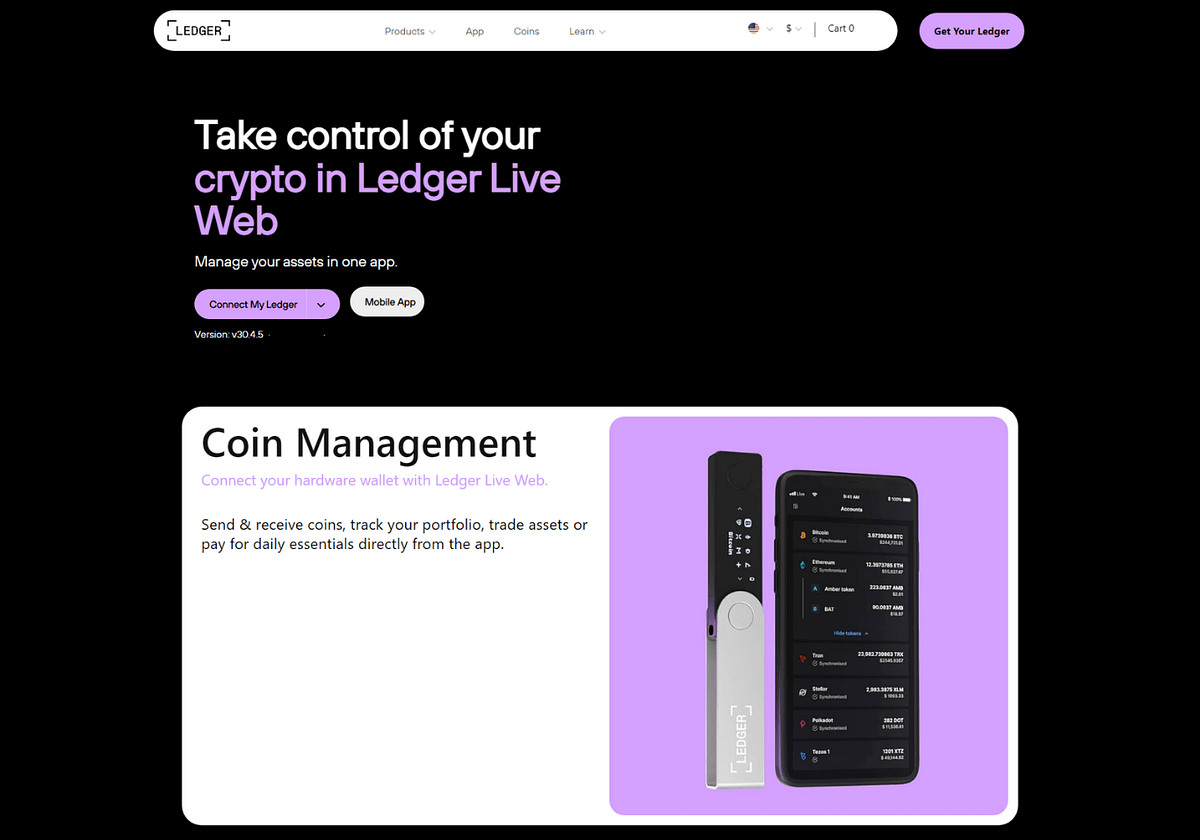
edger Live Login: A Complete Guide to Secure Access and Recent Changes
Ledger Live is the official companion application for Ledger hardware wallets, designed to help users securely manage their cryptocurrency assets. From tracking balances to sending, receiving, staking, and managing NFTs, Ledger Live acts as the central hub for interacting with digital assets while keeping private keys offline. Understanding how the Ledger Live login process works—and how it has evolved—is essential for maintaining both security and usability.
What Is Ledger Live Login?
Unlike traditional applications, Ledger Live does not rely on a username-and-password login system. Instead, access is tied to your Ledger hardware wallet and a local security layer, such as a PIN code or device authentication. This approach aligns with Ledger’s core philosophy: you control your private keys, not a centralized platform.
When users refer to “Ledger Live login,” they are typically describing the process of:
- Opening the Ledger Live application
- Verifying access through a password or device authentication
- Connecting and unlocking a Ledger hardware wallet (Nano S, Nano S Plus, or Nano X)
This method eliminates many risks associated with centralized account logins, such as phishing attacks or database breaches.
How the Ledger Live Login Process Works
The Ledger Live login process can be broken down into several secure steps:
- Launching the Application
Ledger Live is available on desktop (Windows, macOS, Linux) and mobile (iOS and Android). Once installed, users open the app on their chosen device. - App-Level Password (Optional but Recommended)
Ledger Live allows users to set an application password. This password protects access to the app interface itself but does not replace the hardware wallet’s security. If enabled, users must enter this password each time they open Ledger Live. - Connecting the Ledger Device
Users connect their Ledger hardware wallet via USB or Bluetooth (for supported models). The device must be unlocked using its PIN code. - Device Verification
Ledger Live verifies the authenticity of the connected hardware wallet. This ensures the device is genuine and has not been compromised. - Account Access
Once verified, users can view balances, manage accounts, and perform transactions. Private keys never leave the hardware wallet, even during login.
Recent Changes and Improvements to Ledger Live Login
Ledger has made several improvements to the Ledger Live experience in recent updates, focusing on usability and security:
- Improved App Lock Features
Users now have more control over auto-lock timing, requiring reauthentication after periods of inactivity. This reduces the risk of unauthorized access if a device is left unattended. - Enhanced Bluetooth Security
For mobile users, Bluetooth connections with Ledger Nano X have been optimized to improve stability while maintaining encrypted communication. - Clearer Authentication Prompts
Ledger Live now provides clearer on-screen instructions during the login and connection process, reducing confusion for new users. - Streamlined Onboarding and Recovery Checks
The login flow better integrates recovery phrase verification reminders, encouraging users to confirm their backup security without interrupting daily use.
These changes are designed to make Ledger Live more user-friendly without compromising its core security model.
Common Ledger Live Login Issues and Solutions
Despite its robust design, users may occasionally experience login-related issues. Common problems include:
- Forgotten App Password
If the Ledger Live app password is forgotten, users must reset the app. This does not affect crypto assets, as they remain secured by the recovery phrase. - Device Not Recognized
This can often be resolved by updating Ledger Live, changing USB cables, or ensuring the Ledger device firmware is up to date. - Incorrect PIN Attempts
Multiple incorrect PIN entries will reset the hardware wallet. Assets can still be recovered using the 24-word recovery phrase. - Phishing Attempts
Ledger does not require users to “log in” via websites or email links. Any site asking for recovery phrases or credentials claiming to be Ledger Live should be treated as fraudulent.
Best Practices for Secure Ledger Live Login
To maximize security when accessing Ledger Live, users should follow these best practices:
- Always download Ledger Live from the official Ledger website or app stores
- Enable the app password and auto-lock features
- Never share your 24-word recovery phrase
- Verify transaction details directly on the hardware wallet screen
- Keep firmware and Ledger Live software up to date
These steps help ensure that login access remains private and resistant to attack.
Conclusion
Ledger Live login is fundamentally different from traditional account-based systems. By relying on hardware wallet authentication and local security controls, Ledger Live offers a powerful balance between ease of use and strong protection. Recent updates have refined the login experience, making it more intuitive while preserving the highest security standards. By understanding how the login process works and following best practices, users can confidently manage their digital assets in a secure and decentralized way.